
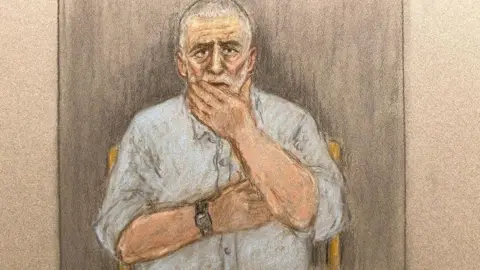
For someone who's sacrificed nearly 40 years of his life due to a crime he didn't commit, Peter Sullivan maintains a remarkably positive outlook.
In our conversation last month, for what was his debriefing session since being freed from prison in May, he was cheerful and excited about getting to Anfield to watch Liverpool play for the initial occasion since he was detained in 1986.
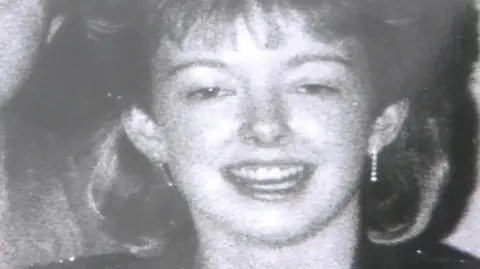
That was the year of the sexual attack murder of Diane Sindall in his birthplace of Birkenhead - an event he said he was merely aware of because someone approached him in a pub at the time and said, "reportedly there's been a murder".
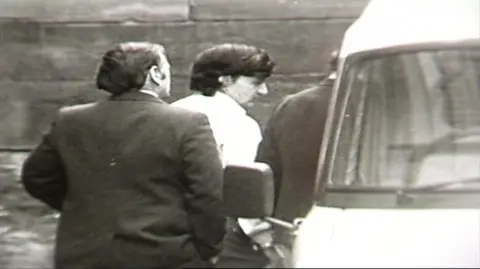
When he was sentenced the following year at Liverpool Crown Court - he was sentenced to a extended term in some of Britain's highest-security category A prisons where he would be tormented by his tabloid nicknames "The Beast of Birkenhead", "The Mersey Ripper" and "Lunar Killer".
Adjusting to a Transformed World
Before our interview, he was abundant with tales about how since his freedom he has had to adapt to a completely different world.
When he was taken into custody, Margaret Thatcher was in Downing Street, the concept of the internet and Europe was still divided by the Iron Curtain.
He explained watching the demolition of the Berlin Wall from a shared television in prison.
Mr Sullivan told me how trips to the shops now show how "society has evolved" - from trying to work out how self-checkouts function to realising that "in place of having a cheque book, you've got it on your phone".
Digital Adjustments
His confinement means he has been ignorant of the way so many facets of everyday life have evolved - almost like someone who has been asleep since the 1980s.
"Having endured so long in prison and finding out there's no DHSS [Department of Health and Social Security, now the Department for Work and Pensions (DWP)] where you can pick up your money - you're thinking, 'Amazing, what's going on here?'"
He now has a smartphone, after finding out doctor's appointments need to be booked on something he now knows is called an 'app'.
He first became knowledgeable about them when he was traveling on a bus shortly after his liberation and saw people operating smartphones. He only understood they were phones when he saw someone put one to their ear.
Mental Impact
Mr Sullivan's 14,000 days in confinement have also led to an inevitable sense of prison conditioning.
He described how after his liberation, one morning in his flat he returned to his bedroom and sat down on his bed, because he was subconsciously waiting for a prison officer to come and confine him into his cell.
"You've got to be at your door at a certain time, otherwise the officers will go off at you", he said.
"I remained thinking, 'What's happening?'"
Desiring Explanation
But Mr Sullivan's hope is balanced by a longing for answers about how he came to be charged with an notorious murder that he had no part in, and a bewilderment about why he still has not had an admission of error.
"I've lost everything", he said.
"Freedom disappeared, I lost my mother since I've been in prison, I've lost my father.
"It hurts because I wasn't there for them", he said.
"It's impossible to continue with my life if I can't get an response off them."
"The sole thing I need, an apology [and to understand] the cause behind they've done this to me", he said.
Police Statement
Merseyside Police said "limited value to be gained for a review of this matter today" because of "developments to investigative techniques and developments in the law over the last 40 years".
The force did submit some of Mr Sullivan's allegations to the police watchdog, the Independent Office for Police Conduct (IOPC), who will now examine his claims that officers assaulted him and warned to link him to other crimes if he didn't plead guilty to Diane Sindall's murder.
When asked if it would express regret, the force did not specifically respond the question, but as part of a comprehensive declaration it said: "The force regrets that there has been a significant injustice of justice in this case".
Moving Forward
Mr Sullivan shared about his modest ambition - an ambition that he said he had given up of being able to accomplish at some points over his almost forty years behind bars.
"All I want to do now is continue with my own life and progress as I was before, and enjoy my remaining years now".
His life ahead may be made less challenging by government financial payment, paid to individuals affected of miscarriages of justice.
This scheme is restricted at £1.3m, a maximum which it is believed his resulting award will get very close to.
But the procedure is not guaranteed, and it is protracted.
Andrew Malkinson, whose conviction for a rape he was innocent of was overturned in 2023, was only granted an provisional award earlier this year.
Admitted offenders who acknowledge their crimes and are released get a housing and some assistance for living expenses. Mr Sullivan, as an innocent man, is not qualified for that help.
And so he is living a modest life, with his basic aspirations - although many think he is a millionaire in waiting.
His lawyer, Sarah Myatt, said "there's not a figure that you could say that would be sufficient for forfeiting 38 years of your life".


